
Why is Lego so expensive?
Or maybe it isn't?

This week’s video explores different ways to think about Lego prices over time — and what they reveal about inflation.
Notes—
LEGO VALUE: I cut out some other ways to think about Lego prices. Chiefly: have Legos1 actually become more valuable because of complementary goods? I’d argue an emphatic yes, because of three trends:
The digitization of instruction manuals. You can now download instructions for any set and try to build it from your bulk Lego collection. When my son got into Star Wars, instead of buying the sets, we built all his favorite ships out of our existing Lego.
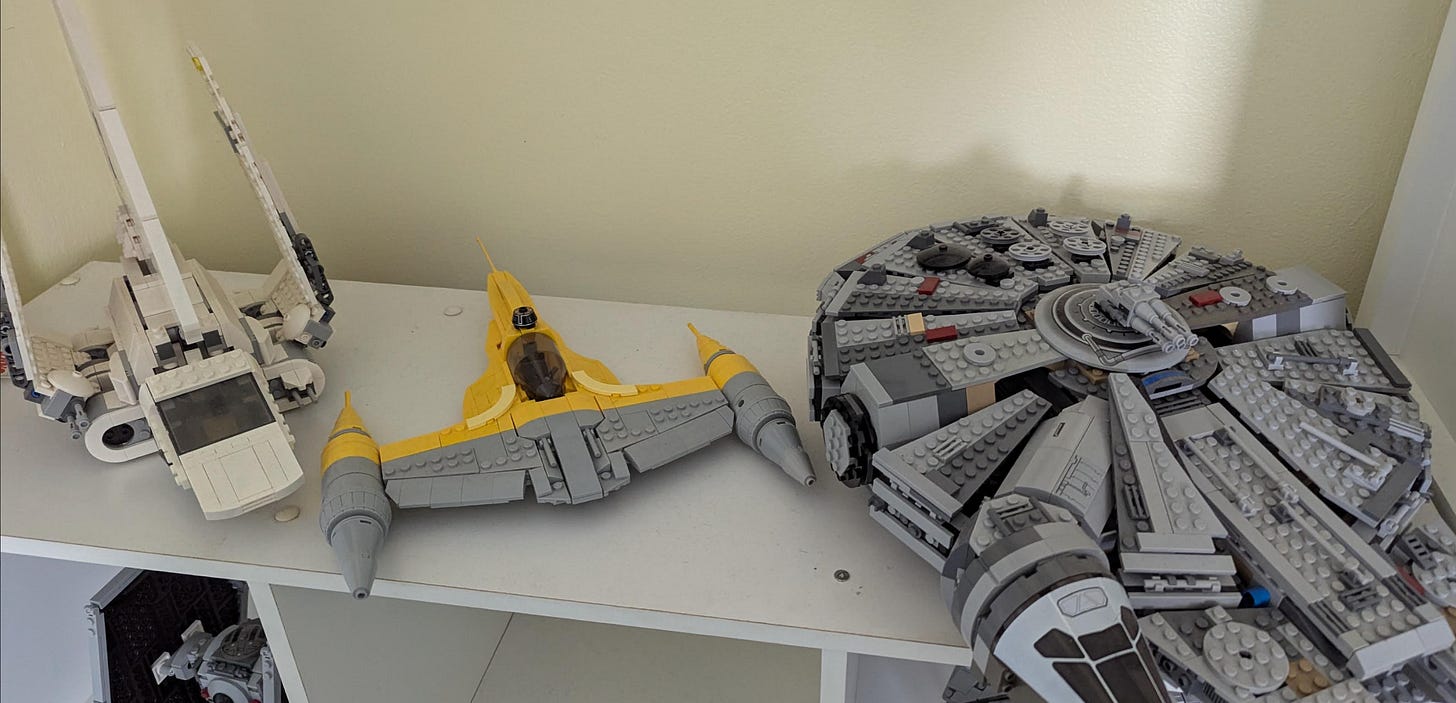
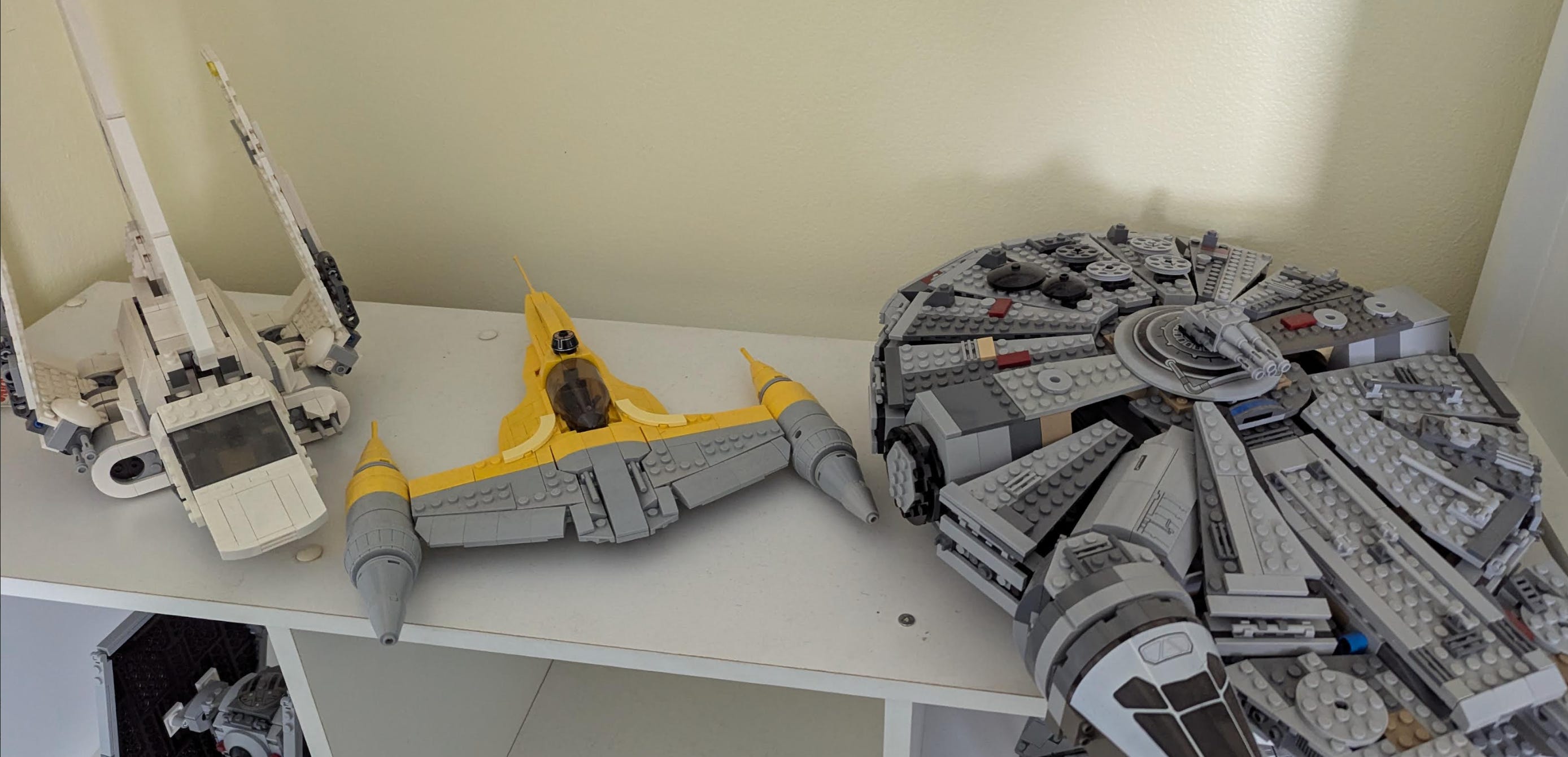
Three ships built completely from old Legos I had and instructions downloaded off Lego.com Rebrickable. On this site you can download instructions for homemade designs from amateur Lego designers all over the world — and even find remixes of popular sets. So when you’re tired of a set, you can see what others have done with those same bricks.

The proliferation of independent Lego stores. Near me there are at least five Brick and Minifigs stores. These places let you buy and sell old Lego sets and also buy bulk bricks. When I was building old sets from my bulk with my son, these stores were crucial for finding the pieces we didn’t have. It was actually super fun to spend an hour with him digging through bins of bricks to find those few pieces that completed our builds.
In sum: Thanks to all these complements to the Lego experience, the lifetime value of any single Lego brick has greatly increased over time.
SOURCES: The primary source for this video, in terms of data, is a reddit post. I did not independently verify that user’s data but it echoes other analyses here, here and here. If anyone has a better data source or a more detailed dataset, let me know — I’ll update the video notes. In general, though, all the analysis and commentary by respected Lego experts indicate that, on a price-per-piece and price-per-gram basis, Lego has either remained stable or decreased in price over time.
I know the plural of Lego is Lego, I can’t bring myself to use it though.